
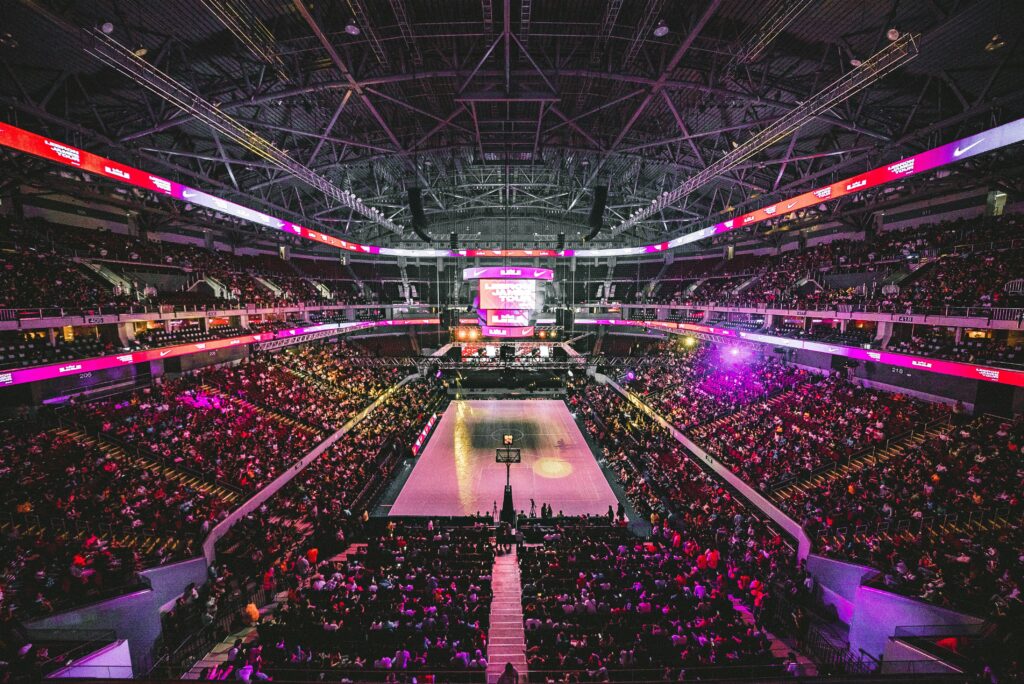
The modern NBA is experiencing an arena arms race unlike anything in its history. Across the league, franchises are investing billions of dollars into new venues, major renovations, and surrounding entertainment districts designed to generate revenue far beyond basketball games. What was once a simple home court has evolved into a year-round business hub, transforming how teams operate and how fans experience the sport.
Over the past decade, NBA arena projects have routinely exceeded the billion-dollar mark. Owners are no longer building facilities solely to host basketball games. Instead, they are creating multi-purpose destinations that include restaurants, retail spaces, hotels, office developments, and entertainment venues. The result is a dramatic reshaping of the NBA’s financial landscape.
For fans, the focus may remain on star players, championship races, and NBA odds during the season, but behind the scenes, arena development has become one of the most important drivers of franchise value and long-term profitability.
Why NBA Teams Are Spending Billions
The economics of professional sports have changed significantly. Ticket sales alone are no longer enough to maximize revenue potential. Teams now compete to create experiences that encourage fans to spend money before, during, and after games.
Modern arenas generate income through multiple channels, including:
- Premium seating and luxury suites
- Sponsorship agreements
- Naming rights deals
- Concerts and live events
- Retail and dining operations
- Corporate hospitality packages
- Adjacent real estate developments
Because of these revenue streams, ownership groups increasingly view arena construction as a long-term investment rather than a simple infrastructure project.
A new arena can significantly increase annual revenues while also boosting the overall valuation of a franchise.
The Era of the Billion-Dollar Venue
A decade ago, a $500 million arena project was considered enormous. Today, that figure often represents only the starting point.
The most ambitious NBA arena developments now exceed $1 billion, with some projects reaching several billion dollars when surrounding real estate is included.
The Chase Center in San Francisco, home of the Golden State Warriors, reportedly cost approximately $1.4 billion to construct. Opened in 2019, the venue includes office space, retail areas, restaurants, and public gathering spaces that generate revenue throughout the year.
Similarly, many franchises are pursuing mixed-use developments that extend far beyond the arena itself. These projects often include hotels, apartments, office buildings, and entertainment districts designed to create continuous foot traffic regardless of the NBA schedule.
The goal is simple: transform a venue that hosts roughly 41 regular-season home games into an economic engine operating 365 days a year.
Rising Franchise Values
The arena boom has played a major role in the dramatic increase in NBA franchise valuations.
According to recent industry estimates, the average NBA team is now worth several billion dollars, a remarkable increase from valuations seen just a decade ago. Premium venues have become one of the key factors driving this growth.
New arenas increase:
- Corporate sponsorship opportunities
- Premium seating revenue
- Naming rights value
- Local media appeal
- Fan engagement
Investors increasingly view sports franchises as real estate assets as much as athletic organizations. Control of a modern arena and surrounding development can create recurring revenue streams that continue regardless of on-court success.
Premium Experiences Drive Revenue
Luxury seating has become one of the biggest motivations behind arena redevelopment.
Modern NBA arenas feature:
- Courtside clubs
- VIP lounges
- Private entrances
- Exclusive dining experiences
- Premium hospitality suites
Some courtside experiences cost thousands of dollars per game, while luxury suite leases can generate hundreds of thousands annually from corporate clients.
This premium model reflects broader trends in sports business. Teams are focusing on maximizing revenue per attendee rather than simply increasing attendance numbers.
A fan spending $500 on tickets, food, beverages, and merchandise can be more valuable than several standard ticket buyers combined.
Technology Is Redefining the Arena Experience
The new generation of NBA arenas is also heavily influenced by technology.
Many venues now feature:
- High-speed arena-wide Wi-Fi
- Mobile ordering systems
- Cashless payments
- Interactive digital displays
- Advanced LED scoreboards
- Personalized fan experiences through team apps
The objective is to merge live sports with the convenience of modern digital entertainment.
Teams understand that they are competing not only against other sports but also against streaming services and home viewing experiences. To justify premium ticket prices, arenas must offer something fans cannot replicate from their living rooms.
Technology has become essential to achieving that goal.
Naming Rights and Corporate Partnerships
Corporate partnerships represent another major source of arena revenue.
Naming rights agreements for NBA venues can be worth hundreds of millions of dollars over the life of a contract. Companies view these deals as opportunities to gain long-term brand exposure in major markets.
In addition to naming rights, corporate sponsors often secure visibility through:
- Digital signage
- Premium hospitality areas
- Sponsored fan zones
- Arena activations
- Exclusive branding opportunities
These partnerships create substantial recurring income for franchises and help offset construction costs.
Entertainment Districts Become the New Model
Perhaps the biggest shift in arena development is the rise of integrated entertainment districts.
Rather than building standalone facilities, teams are increasingly developing entire neighborhoods around their venues.
These districts often include:
- Restaurants
- Hotels
- Residential units
- Office space
- Retail stores
- Public gathering areas
The strategy extends revenue opportunities beyond game days and helps franchises capture spending that would otherwise occur elsewhere in the city.
For ownership groups, the arena becomes the anchor tenant of a much larger commercial ecosystem.
Challenges and Public Debate
Despite their economic potential, billion-dollar arena projects often generate debate.
Critics question public funding contributions and whether taxpayers receive sufficient returns on investment. Others raise concerns about rising ticket prices and the potential displacement of local communities near development sites.
Supporters argue that modern arenas create jobs, stimulate economic activity, and attract tourism and investment.
The reality often depends on the specific structure of each project, making arena development one of the most closely scrutinized aspects of modern sports business.
Revolutionary Change is Coming
The NBA’s arena boom is fundamentally changing the league’s business model. Modern venues are no longer simply places where games are played. They are sophisticated entertainment hubs designed to generate revenue through real estate, technology, hospitality, sponsorships, and year-round events.
As construction costs continue to rise and franchise values climb into the billions, ownership groups are betting that the future of basketball extends far beyond the court itself.
The result is an NBA landscape increasingly defined by ambitious development projects, premium fan experiences, and massive commercial investments. While championships will always drive headlines, the next generation of NBA success may be built as much through arena development as through roster construction.
 Ask Elviaz Derrickson how they got into entrepreneurship tips and you'll probably get a longer answer than you expected. The short version: Elviaz started doing it, got genuinely hooked, and at some point realized they had accumulated enough hard-won knowledge that it would be a waste not to share it. So they started writing.
What makes Elviaz worth reading is that they skips the obvious stuff. Nobody needs another surface-level take on Entrepreneurship Tips, Effective Marketing Strategies, Financial Management Techniques. What readers actually want is the nuance — the part that only becomes clear after you've made a few mistakes and figured out why. That's the territory Elviaz operates in. The writing is direct, occasionally blunt, and always built around what's actually true rather than what sounds good in an article. They has little patience for filler, which means they's pieces tend to be denser with real information than the average post on the same subject.
Elviaz doesn't write to impress anyone. They writes because they has things to say that they genuinely thinks people should hear. That motivation — basic as it sounds — produces something noticeably different from content written for clicks or word count. Readers pick up on it. The comments on Elviaz's work tend to reflect that.
Ask Elviaz Derrickson how they got into entrepreneurship tips and you'll probably get a longer answer than you expected. The short version: Elviaz started doing it, got genuinely hooked, and at some point realized they had accumulated enough hard-won knowledge that it would be a waste not to share it. So they started writing.
What makes Elviaz worth reading is that they skips the obvious stuff. Nobody needs another surface-level take on Entrepreneurship Tips, Effective Marketing Strategies, Financial Management Techniques. What readers actually want is the nuance — the part that only becomes clear after you've made a few mistakes and figured out why. That's the territory Elviaz operates in. The writing is direct, occasionally blunt, and always built around what's actually true rather than what sounds good in an article. They has little patience for filler, which means they's pieces tend to be denser with real information than the average post on the same subject.
Elviaz doesn't write to impress anyone. They writes because they has things to say that they genuinely thinks people should hear. That motivation — basic as it sounds — produces something noticeably different from content written for clicks or word count. Readers pick up on it. The comments on Elviaz's work tend to reflect that.