
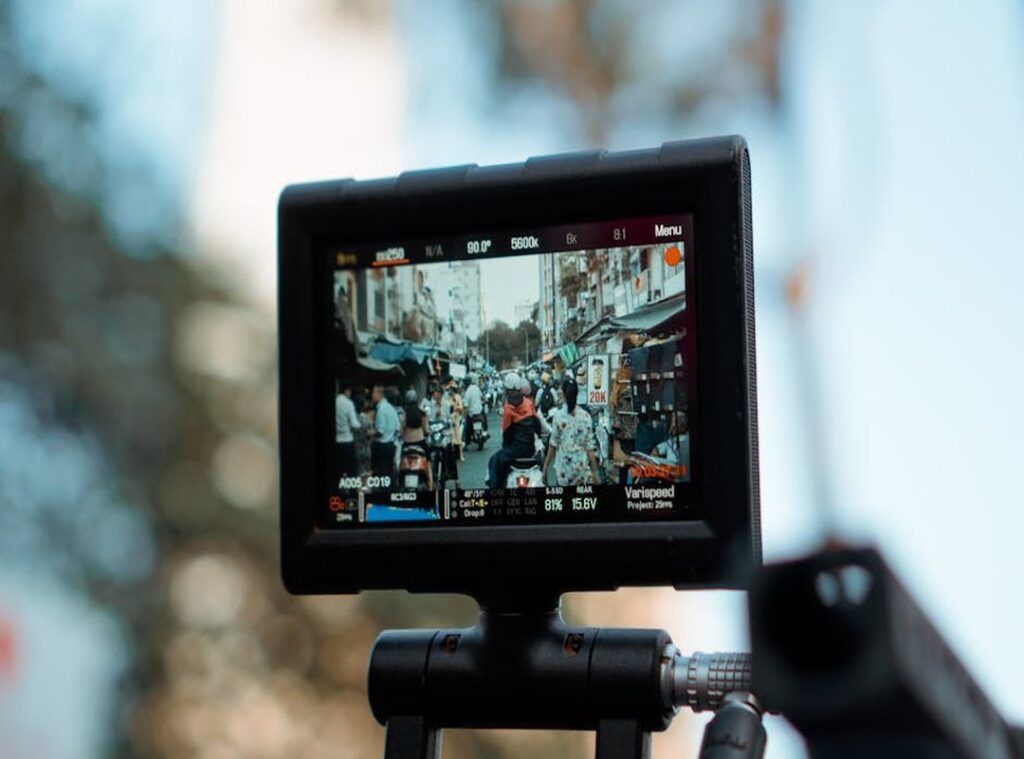
Live webcam streaming can be a bit of a wild ride. You’ve got to know what you’re doing, or you might end up with a subpar experience or even some security issues. onscreen cam4 is one of the platforms out there, but it’s just the tip of the iceberg.
So, why should you trust this guide? Well, I’ve been in the trenches, and I know the ins and outs of live streaming. I’ll give you the real deal, no fluff.
This article will help you understand and effectively use live webcam streaming for all sorts of things. Whether you’re a newbie or a seasoned streamer, you’ll find something useful here.
Let’s get started.
Understanding Live Webcam Streaming
What is Live Webcam Streaming? It’s pretty simple. You use a camera to broadcast video in real-time over the internet.
People can watch it as it happens, no matter where they are.
Why It Matters
I remember when I first started live streaming. It was for a small local event, and the response was overwhelming. Folks who couldn’t be there in person felt like they were part of the action.
That’s the power of live webcam streaming. It brings people together, even when they’re miles apart.
Key Components
You need a few things to get started. First, a decent camera. It doesn’t have to be top-of-the-line, but it should capture clear video.
Next, software to stream your video. There are plenty of options out there, from free to premium. Finally, internet connectivity.
A stable, fast connection is crucial. Without it, your stream will lag, and that’s a real buzzkill.
Use Cases
Live streaming isn’t just for big events. I’ve seen it used for personal vlogging, where someone shares their daily life. It’s also huge in gaming.
Gamers use platforms like onscreen cam4 to share their gameplay and interact with viewers.
Professional broadcasting has also embraced live streaming. News channels, for example, use it to cover breaking news. And let’s not forget remote work.
With more people working from home, live streaming is a great way to conduct meetings and webinars.
In short, live webcam streaming is versatile and powerful. Whether you’re sharing your hobbies, connecting with a global audience, or running a business, it’s a tool worth considering.
Choosing the Right Equipment
Have you ever wondered why some people look and sound so professional in their online meetings? It’s all about the right equipment. Let’s break it down.
Webcams. There are a bunch of options out there, from basic to high-end. Basic webcams get the job done for most casual use.
But if you’re serious, go for something with at least 1080p resolution. Some even offer features like auto-focus and light correction.
Good microphones are crucial. Bad audio can ruin a meeting. For most, a decent USB mic will do.
If you’re into podcasting or streaming, consider a more advanced setup. Just make sure it picks up your voice clearly without too much background noise.
Lighting is often overlooked. Proper lighting can make a huge difference. Natural light is great, but not always possible.
A simple ring light or a couple of softbox lights can do wonders. Position them so they light your face evenly, and avoid harsh overhead lights.
Setting up your space matters too. Make sure the background is clean and not too distracting. Test your setup with onscreen cam4 to see how you look and sound.
Adjust as needed.
Remember, it’s not about having the fanciest gear. It’s about making sure you’re clear and professional. Sound familiar?
Selecting the Best Software and Platforms
When it comes to streaming, picking the right software and platform can make or break your experience. Let’s start with the software.
OBS Studio is a free, open-source option that’s highly customizable. It’s great for those who want to tweak every setting. Streamlabs is user-friendly and offers a lot of built-in features like chat widgets and alerts.
XSplit is another solid choice, especially for its ease of use and professional-grade tools.
- Consider your technical skills. If you’re a beginner, Streamlabs might be the way to go.
- Think about what you need. OBS Studio is perfect if you want to get into the nitty-gritty.
- Check out XSplit if you’re looking for a balance between features and simplicity.
Now, let’s talk platforms. YouTube is huge and offers a broad audience. Twitch is the go-to for live gaming and interactive content.
Facebook Live is great for reaching a more general, social audience.
YouTube has a massive reach and strong monetization options. Twitch is all about community and real-time interaction. Facebook Live integrates well with your existing social network, making it easy to share and engage with friends and followers.
Choosing the right platform depends on your goals. If you’re into gaming, Twitch is a no-brainer. For a wider, more diverse audience, YouTube is hard to beat.
Facebook Live is perfect if you want to connect with your current social circle.
Integrating your chosen software and platform is key. Make sure they work well together. For example, Streamlabs works seamlessly with Twitch.
OBS Studio can be set up with any platform, but it might take a bit more setup.
Pro tip: Test your setup before going live. There’s nothing worse than technical issues during a stream.
Oh, and one more thing. If you’re using onscreen cam4, make sure it’s configured correctly. It can add a personal touch to your streams and help you connect better with your audience.
Understanding global trends can also give you an edge. For instance, knowing how geopolitical events influence global markets can help you predict shifts in viewer interest and engagement.
Setting Up Your Live Stream
Before you hit that “go live” button, make sure everything’s in order. Trust me, a little prep goes a long way.
Pre-Stream Checklist:
- Check your internet connection. You need a stable and fast connection.
- Set up your camera and microphone. Make sure they’re working properly.
- Arrange your background. Keep it clean and professional.
- Test your lighting. Good lighting makes a huge difference.
- Have a backup plan. Things can go wrong, so be ready.
Configuration Settings:
Open your streaming software. It could be OBS, Streamlabs, or something else.
Find the settings for your stream. This is where you set your resolution, bitrate, and other technical stuff.
Resolution? That’s the size of your video. Bitrate?
It’s how much data your stream uses. Higher is better, but don’t overdo it if your internet can’t handle it.
Set your stream key. This is like a password that lets you stream to your platform. Get it from your streaming platform and paste it into your software.
Testing:
Do a test stream. This is non-negotiable.
You can use onscreen cam4 to see how you look and sound. Adjust as needed.
Watch the test stream on another device. This helps you see what your viewers will see.
Fix any issues you find. Better to catch them now than when you’re live.
If everything looks good, you’re ready to go. Just remember, a little preparation can save you a lot of headaches.
Best Practices for Live Streaming
Engagement is key. You’ve got to be active with your audience. Respond to comments, use interactive features, and make them feel like they’re part of the show.
It’s not just about talking at them; it’s about talking with them.
Content quality matters. A lot. Make sure your stream is clear and visually appealing.
No one wants to watch a blurry, poorly lit video. Put in the effort to create something that looks and sounds good. Trust me, it makes a difference.
Consistency is everything. Set a regular streaming schedule and stick to it. People like routine.
If they know when to expect you, they’ll come back. Skipping days or being unpredictable can lose you viewers fast.
(Onscreen cam4 can be a great tool for this, by the way.) It helps you stay on track and gives your audience something to look forward to.
Remember, it’s not just about showing up. It’s about showing up with purpose. Give your viewers a reason to keep coming back.
Mastering Live Webcam Streaming
Choosing the right equipment, software, and platforms is crucial for a seamless live streaming experience. These elements ensure that your stream is both professional and engaging.
Following the best practices and tips provided will help you achieve a successful and professional live streaming experience.
Start experimenting with live streaming today. Continuously refine your setup and content to see the best results.
onscreen cam4 can be a great platform to explore as you begin your live streaming journey.
 Ask Elviaz Derrickson how they got into entrepreneurship tips and you'll probably get a longer answer than you expected. The short version: Elviaz started doing it, got genuinely hooked, and at some point realized they had accumulated enough hard-won knowledge that it would be a waste not to share it. So they started writing.
What makes Elviaz worth reading is that they skips the obvious stuff. Nobody needs another surface-level take on Entrepreneurship Tips, Effective Marketing Strategies, Financial Management Techniques. What readers actually want is the nuance — the part that only becomes clear after you've made a few mistakes and figured out why. That's the territory Elviaz operates in. The writing is direct, occasionally blunt, and always built around what's actually true rather than what sounds good in an article. They has little patience for filler, which means they's pieces tend to be denser with real information than the average post on the same subject.
Elviaz doesn't write to impress anyone. They writes because they has things to say that they genuinely thinks people should hear. That motivation — basic as it sounds — produces something noticeably different from content written for clicks or word count. Readers pick up on it. The comments on Elviaz's work tend to reflect that.
Ask Elviaz Derrickson how they got into entrepreneurship tips and you'll probably get a longer answer than you expected. The short version: Elviaz started doing it, got genuinely hooked, and at some point realized they had accumulated enough hard-won knowledge that it would be a waste not to share it. So they started writing.
What makes Elviaz worth reading is that they skips the obvious stuff. Nobody needs another surface-level take on Entrepreneurship Tips, Effective Marketing Strategies, Financial Management Techniques. What readers actually want is the nuance — the part that only becomes clear after you've made a few mistakes and figured out why. That's the territory Elviaz operates in. The writing is direct, occasionally blunt, and always built around what's actually true rather than what sounds good in an article. They has little patience for filler, which means they's pieces tend to be denser with real information than the average post on the same subject.
Elviaz doesn't write to impress anyone. They writes because they has things to say that they genuinely thinks people should hear. That motivation — basic as it sounds — produces something noticeably different from content written for clicks or word count. Readers pick up on it. The comments on Elviaz's work tend to reflect that.