

I get it. You want your home and garden to look unique and stylish. But finding the right cover designs can be a real pain.
They either look too generic or just don’t fit the space.
caratulas de matematica might sound a bit out there, but trust me, they can make a huge difference. These designs are not just visually striking; they add a modern, sophisticated touch that most people overlook.
This article will show you how to use these designs to transform your space. I’ll share practical tips and innovative ideas that actually work. No fluff, no clichés—just real, useful advice.
So, if you’re tired of the same old designs and want something fresh, keep reading.
Understanding Mathematics in Design
Math is everywhere, even in design. Symmetry, fractals, and geometric patterns are the building blocks of many designs. You see symmetry in logos, fractals in nature-inspired art, and geometric patterns in everything from textiles to architecture.
Historically, these mathematical principles have been around for ages. Ancient civilizations used them in their art and architecture. The Greeks, for instance, were all about perfect proportions and symmetry.
Fast forward to the Renaissance, where artists like Leonardo da Vinci used geometry to create masterpieces.
In modern times, designers and artists still rely on these concepts. Take M.C. Escher, for example.
His work is a blend of math and art, with intricate patterns and impossible shapes. Contemporary designers also use these principles. They create stunning visuals that are both aesthetically pleasing and mathematically precise.
Secundaria:_4jrqjlcm3a= caratulas de matematica. It’s a reminder that math isn’t just numbers; it’s a creative tool too.
Understanding these basics can help you appreciate the complexity and beauty in design. Whether you’re an artist or just someone who enjoys looking at art, knowing the math behind it adds another layer of appreciation.
Mathematics Cover Designs for Home Decor
Mathematics isn’t just for the classroom. You can bring it into your home decor to create a unique and visually appealing space. Let’s dive into how you can use geometric patterns, tessellations, and fractals in different rooms.
Living Room
In the living room, geometric patterns and tessellations can transform your space. Think about throw pillows with hexagonal or triangular designs. Rugs that feature repeating patterns can tie the room together.
Wall art with intricate tessellations adds a modern touch. These elements create a cohesive and visually striking environment.
Kitchen
The kitchen is another great place to incorporate mathematical designs. Backsplashes with geometric tiles can add a touch of elegance. Tablecloths with symmetrical patterns make the dining area more inviting.
Even your kitchenware can have a mathematical twist, like plates and mugs with geometric shapes. It’s a subtle way to bring sophistication into your daily routine.
Bedroom
For the bedroom, fractal and symmetrical patterns are perfect. Bedding with these designs can create a calming and harmonious atmosphere. Curtains with repeating patterns add a soothing element.
Decorative elements like lamps and wall hangings with symmetrical designs complete the look. The bedroom becomes a serene retreat, ideal for relaxation.
Here’s a quick breakdown of how you can use these designs in each room:
| Room | Design Elements | Effect |
|---|---|---|
| Living Room | Geometric patterns in throw pillows, rugs, and wall art | Cohesive and visually striking |
| Kitchen | Geometric tiles in backsplashes, symmetrical tablecloths, and kitchenware | Elegant and sophisticated |
| Bedroom | Fractal and symmetrical patterns in bedding, curtains, and decorative elements | Calming and harmonious |
By integrating secundaria:_4jrqjlcm3a= caratulas de matematica into your home, you can create a space that’s both stylish and intellectually stimulating. Give it a try and see how these designs can enhance your living areas.
Mathematics Cover Designs for Outdoor Spaces
I’ve always been fascinated by how math can transform spaces. It’s not just about numbers; it’s about creating something beautiful and functional.
Let’s start with garden furniture. Selecting pieces with mathematical patterns, like hexagonal or triangular tables and chairs, can really enhance the aesthetic appeal of your outdoor space. These shapes are not only visually striking but also add a modern touch.
Moving on to the patio and deck. Using geometric tiles and pavers creates a visually interesting and functional outdoor floor. Think of intricate patterns that make your space stand out.
It’s all about combining form and function.
Garden art is another area where math can shine. Incorporating mathematical sculptures and installations, such as Fibonacci spirals and Penrose tiling, adds a unique and artistic touch. These elements can be conversation starters and focal points in your garden.
| Element | Mathematical Pattern | Benefit |
|---|---|---|
| Furniture | Hexagonal, Triangular | Modern, Aesthetic Appeal |
| Patio/Deck | Geometric Tiles, Pavers | Visually Interesting, Functional |
| Garden Art | Fibonacci Spirals, Penrose Tiling | Unique, Artistic Touch |
One thing I’ve noticed is that many people overlook the power of secundaria:_4jrqjlcm3a= caratulas de matematica. These covers can bring a whole new level of sophistication to your outdoor design. They’re not just about protection; they’re about adding a layer of elegance and intrigue.
Incorporating these elements into your outdoor space can give you a unique competitive advantage. Your garden won’t just be a place to relax; it’ll be a showcase of mathematical beauty and creativity.
And if you’re looking to boost business efficient networking strategies, integrating these designs can be a great conversation starter at your next outdoor event.
DIY Mathematics Cover Design Projects
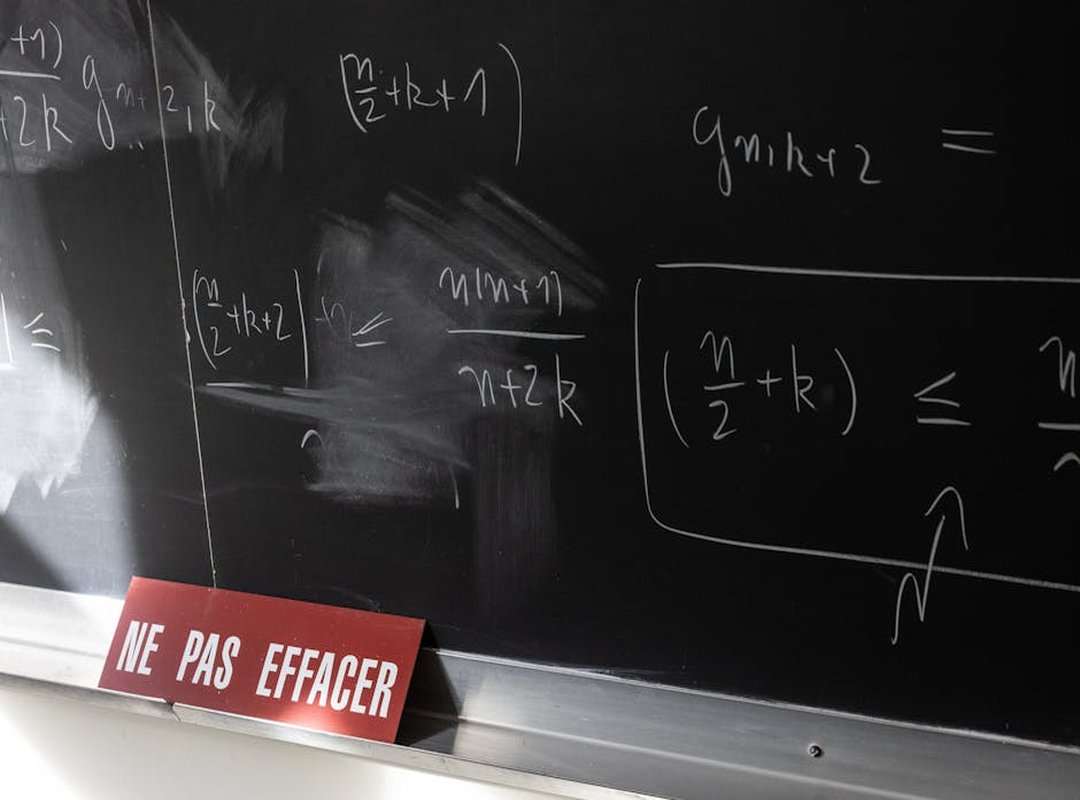
Ever thought about bringing a bit of math into your home decor? It’s not as nerdy as it sounds. Trust me.
Let’s start with geometric planters. All you need are some simple materials and tools. Follow the step-by-step instructions, and you’ll have a planter that looks like it came straight out of a high-end design magazine.
(Who knew math could be so stylish?)
Next up, fractal wall art. This one’s a bit more intricate but totally worth it. Use stencils and paint to create patterns that look like they’re from another dimension.
It’s like having a piece of The Matrix on your wall.
Now, let’s talk symmetrical garden paths. Laying out a path using stones and pavers can transform your garden. Symmetry is key here.
It’s all about balance, just like in those perfectly composed Instagram photos everyone loves.
These projects are not just about making your space look good. They’re also a fun way to get hands-on with math. secundaria:_4jrqjlcm3a= caratulas de matematica
So, why not give it a try? You might surprise yourself with what you can create.
Sustainable and Eco-Friendly Mathematics Cover Designs
When it comes to secundaria:_4jrqjlcm3a= caratulas de matematica, choosing eco-friendly materials is a no-brainer. Recycled glass, bamboo, and reclaimed wood are great options.
Recycled glass is durable and adds a unique aesthetic. Bamboo is lightweight and fast-growing, making it a sustainable choice. Reclaimed wood not only looks good but also reduces waste.
Energy efficiency is another key factor. Mathematical designs, like Fibonacci spirals, can optimize solar panel layouts. This means more energy with less space.
Water conservation is just as important. Incorporating mathematical patterns in water features and irrigation systems can reduce water usage. It’s about being smart and sustainable.
So, recycled glass or bamboo? Both have their pros. Recycled glass for durability, bamboo for sustainability.
Pick what fits your style and values.
Transforming Your Space with Mathematics Cover Designs
Mathematics cover designs can add a unique, modern touch to any space. secundaria:_4jrqjlcm3a= caratulas de matematica offer a blend of art and science, making them perfect for elevating both indoor and outdoor areas. These designs can be incorporated through wall art, furniture, or even as decorative elements. By using geometric patterns and mathematical shapes, you can create a sophisticated and visually appealing environment.
Experiment with these designs to transform your space into something truly special.
 Ask Elviaz Derrickson how they got into entrepreneurship tips and you'll probably get a longer answer than you expected. The short version: Elviaz started doing it, got genuinely hooked, and at some point realized they had accumulated enough hard-won knowledge that it would be a waste not to share it. So they started writing.
What makes Elviaz worth reading is that they skips the obvious stuff. Nobody needs another surface-level take on Entrepreneurship Tips, Effective Marketing Strategies, Financial Management Techniques. What readers actually want is the nuance — the part that only becomes clear after you've made a few mistakes and figured out why. That's the territory Elviaz operates in. The writing is direct, occasionally blunt, and always built around what's actually true rather than what sounds good in an article. They has little patience for filler, which means they's pieces tend to be denser with real information than the average post on the same subject.
Elviaz doesn't write to impress anyone. They writes because they has things to say that they genuinely thinks people should hear. That motivation — basic as it sounds — produces something noticeably different from content written for clicks or word count. Readers pick up on it. The comments on Elviaz's work tend to reflect that.
Ask Elviaz Derrickson how they got into entrepreneurship tips and you'll probably get a longer answer than you expected. The short version: Elviaz started doing it, got genuinely hooked, and at some point realized they had accumulated enough hard-won knowledge that it would be a waste not to share it. So they started writing.
What makes Elviaz worth reading is that they skips the obvious stuff. Nobody needs another surface-level take on Entrepreneurship Tips, Effective Marketing Strategies, Financial Management Techniques. What readers actually want is the nuance — the part that only becomes clear after you've made a few mistakes and figured out why. That's the territory Elviaz operates in. The writing is direct, occasionally blunt, and always built around what's actually true rather than what sounds good in an article. They has little patience for filler, which means they's pieces tend to be denser with real information than the average post on the same subject.
Elviaz doesn't write to impress anyone. They writes because they has things to say that they genuinely thinks people should hear. That motivation — basic as it sounds — produces something noticeably different from content written for clicks or word count. Readers pick up on it. The comments on Elviaz's work tend to reflect that.